

In 2025, ketogenic nutrition transcends the confines of short-term weight loss, placing a strong emphasis on cellular repair, metabolic adaptability, and the extension of a healthy lifespan. This comprehensive guide outlines the 2025 keto blueprint for longevity, delving into the cellular mechanisms—such as autophagy and mitochondrial biogenesis—through which ketosis can enhance cellular health. It also provides actionable strategies for effective implementation and monitoring. Many individuals pursuing a longevity-focused keto lifestyle seek clarity on how to balance nutrient density, mitigate long-term risks, and tailor the plan to their unique physiology; this article offers evidence-based insights and practical steps to empower them. We explore the evolution of keto into “Keto 3.0”, summarise its core benefits and potential hazards, present meal and fasting strategies that promote autophagy, and discuss personalisation through wearables, biomarkers, and AI-driven monitoring. Throughout, we weave in key concepts like metabolic flexibility, clean keto, and ketosis-driven cellular repair, providing practical guidance that enables readers to translate scientific mechanisms into everyday choices. The article contextualised current research and established semantic connections between ketones, inflammation, and mitochondrial function, effectively bridging the gap between science and practical application.
What Is the 2025 Keto Blueprint for Longevity and Cellular Vitality?
The 2025 keto blueprint for longevity adopts a nutrient-dense, “clean keto” approach that prioritises plant-forward fats and protein sources, strategic fasting windows, and metabolic flexibility over continuous very-low-carb restriction. This method sustains mild-to-moderate ketosis by elevating circulating ketone bodies (BHB and acetoacetate), which in turn modulate signalling pathways associated with autophagy, inflammation, and mitochondrial resilience. The outcome is a diet crafted to support cellular repair processes, diminish oxidative stress, and uphold functional capacity across tissues, rather than merely focusing on rapid weight loss. Recent clinical and preclinical research positions Keto 3.0 as an integrative protocol that harmonises longevity mechanisms with cardiovascular and metabolic safety through cycling, micronutrient emphasis, and gut-friendly choices. Understanding how Keto 3.0 diverges from traditional ketogenic diets reveals practical adjustments that maintain benefits while minimising long-term risks.
Provide valuable, credible information and expert analysis to keep readers informed and engaged with global events and trends.
How Has the Ketogenic Diet Evolved into Keto 3.0?
Keto 3.0 symbolises a transition from a narrow focus on macronutrient ratios to a resilience-oriented model that values food quality, sustainability, and metabolic adaptability. Early ketogenic diets emphasised very high fat and minimal carbs for weight loss, but Keto 3.0 incorporates plant-forward fats, increased fibre where feasible, and cyclical carbohydrate refeeding windows to preserve gut microbiome diversity and hormonal balance. This evolution is propelled by 2024–2025 research indicating that nutrient density and intermittent substrate switching enhance longevity markers compared to rigid, long-term carbohydrate exclusion. Practical examples of Keto 3.0 include swapping processed pork rinds for fatty fish and avocado, prioritising fermented low-carb vegetables, and scheduling periodic higher-carb days around intense training. These adjustments sustain the benefits of ketones while addressing ecological and metabolic sustainability for long-term adherence.
What Are the Core Benefits of Keto for Longevity and Cellular Repair?
Ketosis provides several core benefits pertinent to longevity: induction of autophagy, enhanced mitochondrial efficiency, and reduced systemic inflammation and oxidative stress. Evidence from animal studies and emerging human research suggests that ketone bodies function as signalling metabolites that inhibit pro-ageing pathways (such as mTOR) and activate protective sensors like AMPK and SIRT pathways, thereby supporting cellular maintenance. The practical implications include improved metabolic flexibility, enhanced clearance of damaged proteins and organelles, and potential preservation of organ function as we age. These mechanisms provide a compelling biological rationale for adopting a targeted ketogenic lifestyle as a vital component of a broader longevity strategy that also encompasses exercise, sleep optimisation, and micronutrient sufficiency.
How Does Keto Activate Cellular Repair Mechanisms Like Autophagy?
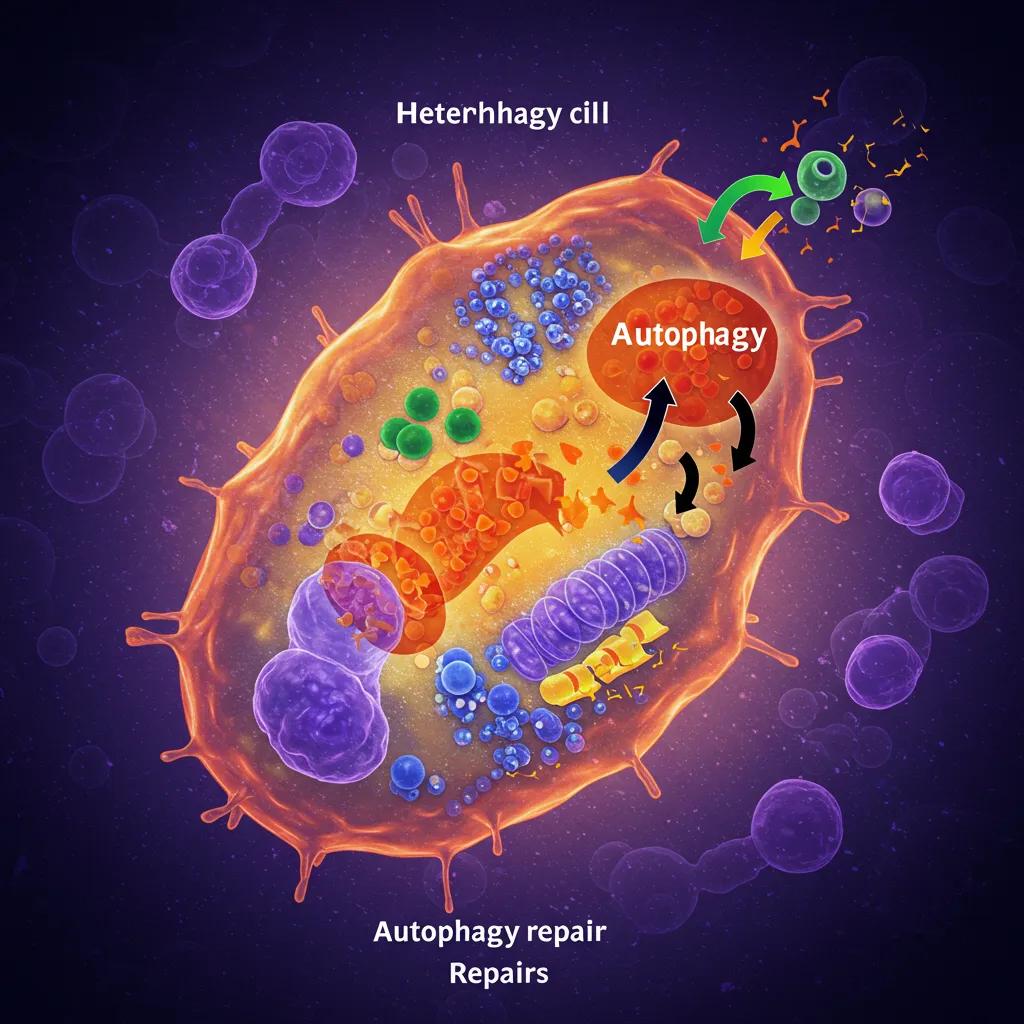
Ketosis activates cellular repair by shifting cellular energy sensing and signaling—low glucose levels and elevated ketones reduce insulin signalling and mTOR activity while activating AMPK, which collectively promotes autophagy and mitophagy. This biochemical transformation leads to increased cellular recycling of damaged proteins and organelles, improved mitochondrial turnover, and enhanced stress resistance across various tissues. The result is a cellular environment better equipped to maintain proteostasis and mitochondrial quality, which are crucial for slowing age-related functional decline. Below is a focused comparison of primary mechanisms and measurable indicators to clarify how ketosis connects to repair processes.
| Mechanism | Ketosis Trigger | Measurable Indicator |
|---|---|---|
| Autophagy (macroautophagy) | Energy stress, low insulin, AMPK activation | Increased LC3-II/LC3-I ratio, reduced p62 levels |
| Mitophagy | AMPK activation and mitochondrial depolarisation | Elevated PINK1/Parkin signalling, improved mitochondrial turnover |
| Mitochondrial biogenesis | PGC-1α activation via SIRT1/AMPK | Increased mtDNA copy number, citrate synthase activity |
This comparison elucidates how ketosis serves as a metabolic signal that translates into molecular markers of repair and renewal. Understanding these connections aids practitioners in selecting biomarkers and interventions that align with longevity objectives and supports targeted monitoring strategies.
What Is Autophagy, and How Does Ketosis Trigger It?
Autophagy is a conserved cellular process that digests and recycles damaged proteins and organelles, ensuring cellular homeostasis and resilience to stress. Ketosis triggers autophagy primarily by lowering insulin and nutrient-sensing signals, which diminishes mTOR activity and activates AMPK; in turn, these switches mobilise the autophagic machinery to clear cellular debris. Studies indicate that fasting-induced ketosis and exogenous ketones can both modulate autophagy-related signalling, although human biomarker data remain limited and evolving in 2025. Measurable proxies for autophagy activation include changes in LC3 processing and decreases in p62, indicating enhanced autophagosome formation and flux. Recognising the role of autophagy in cellular repair clarifies why intermittent ketosis and time-restricted eating are effective strategies for deliberately stimulating these pathways.
How Does Keto Help Mitochondria Stay Healthy to Fight Ageing?
Ketones act as efficient mitochondrial substrates that can reduce reactive oxygen species (ROS) production per unit of ATP generated, promoting bioenergetic efficiency and minimising oxidative damage to mitochondrial components. BHB also influences signalling pathways that enhance mitochondrial biogenesis—via PGC-1α activation—and preserve mitochondrial membrane potential, thereby improving cellular energy resilience. Enhanced mitophagy facilitates the removal of defective mitochondria and supports a healthier organelle pool, translating to improved tissue function and stress tolerance as we age. Biomarkers for mitochondrial health include mtDNA copy number, respiratory chain enzyme activities, and measures of membrane potential; tracking these metrics helps assess the anti-ageing impact of a longevity-focused keto diet.
Research indicates that a ketogenic diet can significantly boost mitochondrial biogenesis and bioenergetics through specific molecular pathways.
Ketogenic Diet Enhances Mitochondrial Biogenesis and Bioenergetics A ketogenic diet (KD; high-fat, low-carbohydrate) can benefit refractory epilepsy, but underlying mechanisms are unknown. We used mice inducibly expressing a mutated form of the mitochondrial DNA repair enzyme UNG1 (mutUNG1) to cause progressive mitochondrial dysfunction selectively in forebrain neurones. We examined the levels of mRNAs and proteins crucial for mitochondrial biogenesis and dynamics. We show that hippocampal pyramidal neurones in mutUNG1 mice, as well as cultured rat hippocampal neurones and human fibroblasts with H₂O₂-induced oxidative stress, improve markers of mitochondrial biogenesis, dynamics, and function when fed on a KD and when exposed to the ketone body β-hydroxybutyrate, respectively, by upregulating PGC1α, SIRT3, and UCP2 and (in cultured cells) increasing the oxygen consumption rate (OCR) and the NAD+/NADH ratio. The mitochondrial level of UCP2 was significantly higher in the perikarya and axon terminals of hippocampus CA1 pyramidal neurones in KD-treated mutUNG1 mice compared with mutUNG1 mice fed a standard diet. The β-hydroxybutyrate receptor GPR109a (HCAR2), but not the structurally closely related lactate receptor GPR81 (HCAR1), was upregulated in mutUNG1 mice on a KD, suggesting a selective influence of KD on ketone body receptor mechanisms. We conclude that progressive mitochondrial dysfunction in mutUNG1-expressing mice causes oxidative stress and that exposure of animals to KD, or of cells to ketone bodies in vitro, elicits compensatory mechanisms acting to augment mitochondrial mass and bioenergetics via the PGC1α-SIRT3-UCP2 axis (the compensatory processes are overwhelmed in the mutUNG1 mice by all the newly formed mitochondria being dysfunctional). A ketogenic diet improves mitochondrial biogenesis and bioenergetics via the PGC1α-SIRT3-UCP2 axis. MM Hasan-Olive, 2019
Which Keto Foods and Practices Support Cellular Health in 2025?

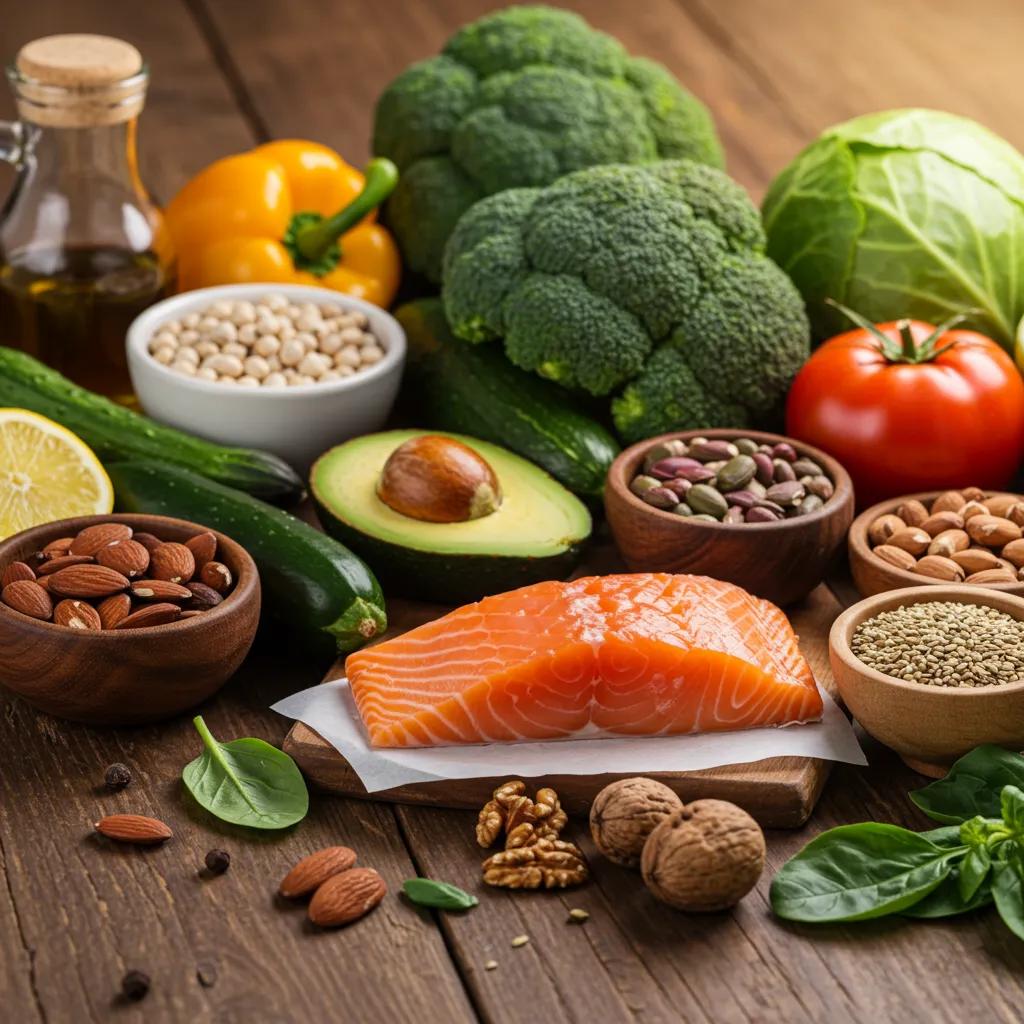
A longevity-focused keto plan champions nutrient-dense, minimally processed foods that provide essential fatty acids, antioxidants, and micronutrients while maintaining ketosis. Prioritising omega-3-rich fish, leafy greens, avocados, nuts, seeds, and fermented low-carb vegetables bolsters mitochondrial function and gut health while delivering polyphenols and fibre that help mitigate inflammation. Complementary practices include time-restricted eating and targeted supplementation of micronutrients often limited on strict keto, such as magnesium, potassium, and trace B vitamins. The interplay of food quality and feeding patterns determines whether ketogenic nutrition enhances cellular repair or creates micronutrient gaps that could undermine long-term benefits.
What Are the Best Nutrient-Dense Foods for Longevity-Focused Keto?
Below is a concise list of high-priority foods that align with Keto 3.0 principles and the cellular goals of mitochondrial support, antioxidant protection, and gut resilience.
- Fatty fish (e.g., salmon): Supplies EPA/DHA to reduce inflammation and support mitochondrial membranes.
- Leafy greens and crucifers: they provide antioxidants, folate, and fibre for gut and cellular health.
- Avocado and olives: Rich in monounsaturated fats, potassium, and polyphenols that promote metabolic balance.
These foods create a solid foundation for meals that maintain ketosis while delivering nutrients that support longevity pathways. Consistently choosing these options reduces reliance on processed saturated fats and enhances the diet’s anti-inflammatory potential.
| Food | Key Nutrients | Longevity Support |
|---|---|---|
| Fatty fish | Omega-3 (EPA/DHA), vitamin D | Mitochondrial membrane integrity; anti-inflammatory signalling |
| Leafy greens | Polyphenols, folate, vitamin K | Antioxidant protection; cellular methylation support |
| Avocado | Monounsaturated fats, potassium, fibre | Lipid profile modulation; electrolyte balance |
This table aims to prioritise whole foods that deliver targeted nutrients essential for cellular repair and metabolic health within a ketogenic framework.
How Can Fasting and Time-Restricted Eating Enhance Keto Benefits?
Fasting and time-restricted eating (TRE) work synergistically with ketosis to amplify autophagy and enhance metabolic flexibility by extending periods of low-insulin, low-glucose states. Common TRE protocols—such as 16:8 or 18:6 windows—lengthen nightly fasts and increase ketone exposure without necessitating extreme carb restriction each day, fostering sustainable adherence. Intermittent longer fasts (24–36 hours) can generate stronger autophagy signals but require medical oversight for certain populations; always tailor approaches based on age, sex, and health status. Merging TRE with nutrient-dense Keto 3.0 meals helps preserve lean mass and supports mitochondrial function while keeping overall metabolic stress adaptive rather than chronic.
How Can You Personalise the 2025 Keto Plan for Optimal Metabolic Flexibility?
Personalising Keto 3.0 focusses on aligning cyclical or targeted carbohydrate strategies with activity profiles, monitoring biomarkers to guide adjustments, and leveraging wearable data and AI tools to refine timing and macronutrient distribution. The aim is to cultivate metabolic flexibility—efficient substrate switching between glucose and ketones—enabling the body to respond to varying demands without persistent dysregulation. Personalisation encompasses selecting between purely ketogenic days, carb-targeted windows around workouts, and scheduled refeed periods; each approach has specific applications based on athletic goals, hormonal status, and age. Data-driven personalisation minimises guesswork and helps balance longevity benefits with cardiovascular and liver health.
What Are Cyclical and Targeted Keto Approaches?
Cyclical keto alternates between periods of strict carbohydrate restriction and planned higher-carb days to replenish glycogen stores and support performance, while targeted keto introduces modest carbs around training sessions to fuel high-intensity efforts without exiting overall ketosis for extended periods. Cyclical models are ideal for athletes and those seeking periodic metabolic “resets”, while targeted keto suits strength training or interval athletes who require immediate carb availability. Advantages of cyclical approaches include reduced dietary monotony and preserved insulin sensitivity; potential downsides include the risk of overfeeding on refeed days if not carefully structured. The choice between these approaches depends on individual goals, training schedules, and metabolic health markers.
How Do Wearables and AI Help Track Keto Progress and Cellular Health?
Wearables and AI tools convert physiological signals—such as continuous glucose, ketone readings, heart rate variability (HRV), and sleep metrics—into actionable insights that bolster metabolic flexibility and recovery. Devices like CGMs reveal glucose variability and reactivity to specific foods, while portable ketone meters indicate BHB levels that reflect ketosis intensity. HRV and sleep data provide insights into recovery status and autonomic balance, influencing metabolic resilience and readiness for training. AI-driven platforms can synthesise these inputs to recommend timing, macronutrient adjustments, and fasting windows, though users should remain mindful of data privacy considerations and algorithmic transparency. Logical Content serves as an information hub, helping readers discover aggregated explainers and summaries about these monitoring tools and strategies.
What Are the Potential Risks of Long-Term Keto for Longevity, and How Can They Be Mitigated?
Long-term ketogenic approaches may carry risks, including dysregulated lipid profiles, fatty liver in susceptible individuals, glucose intolerance in certain models, and sex-specific hormonal effects; strategies for mitigation include cycling, micronutrient monitoring, and clinical oversight. Recent 2024–2025 research highlights mixed cardiometabolic outcomes for long-term strict ketosis, underscoring the importance of individualised risk assessment and laboratory monitoring for liver enzymes, lipid panels, and glycaemic markers. A balanced mitigation plan incorporates scheduled refeed days, fibre- and polyphenol-rich choices to safeguard gut microbiota, and periodic evaluation of hepatic and metabolic markers. Recognising warning signs and proactive monitoring diminishes the likelihood that a longevity-focused keto plan inadvertently undermines long-term health.
What Are the Common Long-Term Health Concerns on Keto?
Common concerns include elevations in LDL cholesterol in some individuals, hepatic fat accumulation under certain dietary patterns, and potential impaired glucose tolerance following prolonged severe carbohydrate restriction in susceptible models. Evidence from human cohorts and animal studies is mixed, with individual variability influenced by genetics, baseline metabolic health, and diet composition (processed vs whole-food fats). Monitoring should therefore focus on trends rather than isolated measurements, and interventions such as emphasising mono- and polyunsaturated fats, increasing fiber-rich low-carb vegetables, and employing cyclical refeeding can often reverse or mitigate adverse signals. These strategies aim to preserve keto’s cellular benefits while minimising cardiometabolic trade-offs.
| Risk | Possible Adverse Effect | Mitigation Method |
|---|---|---|
| Elevated LDL in responders | Increased atherogenic particles | Emphasise mono/polyunsaturated fats; repeat lipid testing. |
| Fatty liver risk | Hepatic steatosis in susceptible individuals | Cycle carbs, monitor liver enzymes, increase fibre |
| Glucose intolerance signals | Impaired glucose handling after extended restriction | Use targeted carbs around exercise; monitor HbA1c/CGM. |
This table provides a concise framework to pair potential challenges with practical mitigation strategies that align with longevity objectives.
When Should You Consult a Professional for Safe Keto Practices?
Seek clinical consultation when baseline labs reveal abnormal lipids, elevated liver enzymes, significant insulin resistance, pregnancy or breastfeeding status, or when planning prolonged fasts or therapeutic ketogenic protocols. Specialists to consider include a registered dietitian for meal planning, an endocrinologist for metabolic dysregulation, and a hepatologist if liver markers raise concerns; these clinicians can recommend appropriate labs and monitoring frequency. A reasonable baseline panel includes fasting lipids, liver enzymes, fasting glucose and insulin, and micronutrient status where indicated, with follow-up intervals tailored to individual risk. Early professional involvement ensures that the 2025 keto plan remains a net benefit for longevity.
How Does Keto Reduce Inflammation and Oxidative Stress to Promote Healthy Ageing?
Ketone bodies, particularly BHBs, function as signalling metabolites that downregulate pro-inflammatory cascades and diminish oxidative stress through multiple molecular pathways relevant to ageing. BHB inhibits the NLRP3 inflammasome in immune cells, attenuates NF-κB-mediated responses, and bolsters antioxidant defences by modulating the NAD+/NADH balance and sirtuin activity. Collectively, these effects lower chronic low-grade inflammation and oxidative damage—two major contributors to age-related functional decline—while also supporting metabolic flexibility that reduces glycaemic-driven oxidative stress. Tracking inflammatory markers and oxidative stress proxies provides a means to quantify the anti-inflammatory impact of a longevity-focused ketogenic strategy.
What Is the Role of Ketones in Lowering Inflammation?
Ketones mitigate inflammation by directly inhibiting inflammasome activation and by shifting immune cell metabolism toward fewer pro-inflammatory phenotypes; BHB serves as both an energy substrate and a signalling molecule. This dual function reduces the production of cytokines associated with chronic inflammatory states and promotes pathways that favour repair and resilience. Experimental data indicate NLRP3 inhibition by BHB and modulation of macrophage polarisation, although human trial data are still emerging in 2025. Measuring circulating inflammatory markers, such as CRP and cytokine panels, helps assess whether dietary ketosis is generating the anticipated anti-inflammatory signals in an individual.
Recent research suggests that the ketogenic diet can significantly reduce neuroinflammation by inhibiting key inflammatory pathways and promoting cellular repair mechanisms.
Ketogenic Diet and Cellular Health: Mitophagy and Neuroinflammation The ketogenic diet attenuates microglia-mediated neuroinflammation by inhibiting NLRP3 inflammasome activation via HDAC3 inhibition to activate mitophagy in experimental autoimmune encephalomyelitis. Q. Zhang, M. Zheng, W. Sun, G. Loers, M. Wen, Q. Wang, X. Zheng, H. Siebert, R. Zhang and N. Zhang, Food Funct., 2025, 16, 4731 DOI:10.1039/D5FO00422E To request permission to reproduce material from this article, please go to the Copyright Clearance Center request page. If you are an author contributing to an RSC publication, you do not need to request permission provided correct acknowledgement is given. If you are the author, 1. Institute of Biopharmaceutical Research, Liaocheng University, Liaocheng, Shandong 252000, China E-mail: zhangning1111@126.com 2. b Center for Molecular Neurobiology Hamburg, University Medical Center, Hamburg-Eppendorf, University of Hamburg, Falkenried 94, 20251 Hamburg, Germany 3. d RI-B-NT Research Institute of Bioinformatics and Nanotechnology, Schauenburgerstr. 116, 24118 Kiel, Germany 4. The activation of microglia is an important cause of central nervous system (CNS) inflammatory cell infiltration and inflammatory demyelination in multiple sclerosis (MS). NOD-, LRR-, and pyrin domain-containing protein 3 (NLRP3)-inflammasome-mediated signalling plays a decisive role in microglial activation. Mitophagy is closely related to NLRP3-mediated neuroinflammation. Previous studies have shown that the ketogenic diet (KD) suppresses microglial NLRP3 inflammasome activation and exerts mitophagy-stimulating effects, but the specific mechanism remains unclear. The current study examines how the ketogenic diet attenuates microglia-mediated neuroinflammation by inhibiting NLRP3 inflammasome activation via HDAC3 inhibition to activate mitophagy in …, 2025.
How Does Keto Enhance Metabolic Flexibility for Cellular Longevity?
Keto enhances metabolic flexibility by training cells to efficiently oxidise ketones and fatty acids while retaining the capacity to utilise glucose when it is available, thereby reducing the metabolic shock of substrate switches and improving resilience to energetic stress. Repeated cycling between fed and fasting states, or between ketone and glucose dominance, fosters enzyme and mitochondrial adaptations that facilitate rapid substrate switching and improved insulin sensitivity. Practically, enhanced metabolic flexibility manifests as narrower glucose excursions, stable energy between meals, and better recovery from metabolic stressors. Monitoring glucose variability, ketone response, and HRV provides actionable feedback on metabolic adaptability and cellular resilience.
- Key Benefits Summary: Keto 3.0 targets autophagy, mitochondrial health, and inflammation reduction to support cellular longevity.
- Top Practical Steps: Prioritise nutrient-dense foods, implement time-restricted eating, monitor biomarkers, and personalise through wearables/AI.
- Risk management: cycle carbohydrates, emphasise unsaturated fats and fibre, and consult professionals when lab anomalies arise.
These final takeaways distil the article’s main threads into actionable priorities that align cellular mechanisms with daily practice and monitoring. Logical Content remains a valuable information hub for ongoing summaries and analysis as research evolves, and readers are encouraged to stay updated with credible sources to refine their longevity strategies.
Frequently Asked Questions
What are the key differences between traditional keto and Keto 3.0?
Keto 3.0 shifts the focus from strict macronutrient ratios to a more holistic approach that emphasises food quality, sustainability, and metabolic adaptability. Unlike traditional ketogenic diets that prioritise high fat and low carbs for weight loss, Keto 3.0 incorporates plant-forward fats, more fibre, and cyclical carbohydrate refeeding. This evolution aims to enhance gut microbiome diversity and hormonal balance, making it more suitable for long-term adherence while still promoting the benefits of ketosis.
How can I effectively monitor my progress on the 2025 Keto Plan?
Monitoring progress on the 2025 Keto Plan involves tracking various biomarkers and physiological signals. Wearable devices can provide insights into continuous glucose levels, ketone readings, heart rate variability, and sleep quality. Regularly assessing these metrics helps individuals understand their metabolic flexibility and recovery status. Additionally, periodic lab tests for lipid profiles, liver enzymes, and glucose tolerance can offer a comprehensive view of health and ensure that the keto approach remains beneficial over time.
What role does time-restricted eating play in a longevity-focused keto diet?
Time-restricted eating (TRE) complements a longevity-focused keto diet by extending periods of low insulin and glucose levels, which can enhance autophagy and metabolic flexibility. Common TRE protocols, such as 16:8 or 18:6, allow for longer fasting windows that promote ketone production without the need for extreme carbohydrate restriction. This approach not only supports sustainable adherence but also helps preserve lean muscle mass and optimise mitochondrial function, making it a valuable strategy for those following the 2025 Keto Plan.
What are the potential downsides of long-term adherence to a ketogenic diet?
Long-term adherence to a ketogenic diet can lead to potential downsides, including dysregulated lipid profiles, fatty liver in susceptible individuals, and impaired glucose tolerance. These risks highlight the importance of personalised monitoring and clinical oversight. Strategies such as cycling carbohydrates, ensuring adequate micronutrient intake, and regular lab assessments can help mitigate these risks, allowing individuals to enjoy the benefits of ketosis while minimising adverse health effects.
How can I personalise my ketogenic plan for better results?
Personalising your keto plan involves tailoring your carbohydrate intake and meal timing to your individual activity levels and metabolic needs. This can include implementing cyclical or targeted carbohydrate strategies based on workout schedules and monitoring biomarkers to guide dietary adjustments. Utilising wearable technology and AI tools can further refine your approach by providing data-driven insights into your metabolic responses, helping you achieve optimal metabolic flexibility and longevity benefits.
For a nutrient-dense keto diet, what foods should I prioritise?
For a nutritious keto diet, prioritise foods rich in healthy fats, antioxidants, and essential micronutrients. Key options include fatty fish (like salmon), leafy greens, avocados, nuts, and seeds. These foods not only support mitochondrial health and reduce inflammation but also provide the necessary nutrients to maintain ketosis. Incorporating fermented low-carb vegetables can further enhance gut health, making these choices essential for anyone following the 2025 Keto Plan focused on longevity.
Conclusion
The 2025 Keto Blueprint for longevity emphasises nutrient density, metabolic flexibility, and cellular repair, offering a holistic approach to health that goes beyond mere weight loss. By integrating practices like time-restricted eating and personalised monitoring, individuals can enhance their well-being while mitigating the potential risks associated with long-term ketosis. This evidence-based strategy not only supports mitochondrial health and reduces inflammation but also empowers users to make informed dietary choices. Explore our resources to refine your keto journey and unlock the full potential of your health today.