

Human resources professionals are on the verge of a giant change: by 2025, half of all workers will need to learn new skills to stay productive, and HR teams must lead this change. This article will teach you (1) how digital transformation changes HR, (2) the ten most important skills to learn, (3) how to strengthen your skills, (4) new trends in the workforce, (5) how data analytics and AI work together, (6) the best ways to manage change, (7) how to promote diversity and emotional intelligence, and (8) how to be ready for future challenges.
How is digital transformation changing the future of HR?
Digital transformation in HR means using cloud platforms, mobile tools, and real-time data to make processes easier, get people more involved, and give strategic insights. This change replaces manual tasks with smart workflows, which speeds up hiring, makes learning more personal, and helps manage talent more proactively.
What Will AI Do in HR by 2025?
AI makes predictive talent analytics possible, automates candidate screening, and powers chatbots that answer employee questions. AI improves hiring accuracy and cuts down on the time it takes to fill a position by streamlining decision-making and giving HR professionals more time to work on strategic tasks.
How AI Affects HR
AI is changing HR by automating tasks, making hiring easier, and giving data-driven insights. AI-powered tools can make processes easier, help people make better decisions, and enable HR professionals to have more time to work on strategic tasks. The result leads to better talent management and more efficiency.
Bersin, J., and Deloitte (2023)
This study backs up what the article says about how AI is changing the way HR works and how HR professionals need to change with it.
How are AI and automation tools changing the way HR professionals work?
Robotic process automation helps HR teams keep track of payroll, benefits, and compliance. They retrain on AI platforms, work with IT to set up bots, and focus on exceptions while machines take care of routine tasks. This makes HR a crucial advisory role.
Why is data analysis important for making strategic HR decisions?
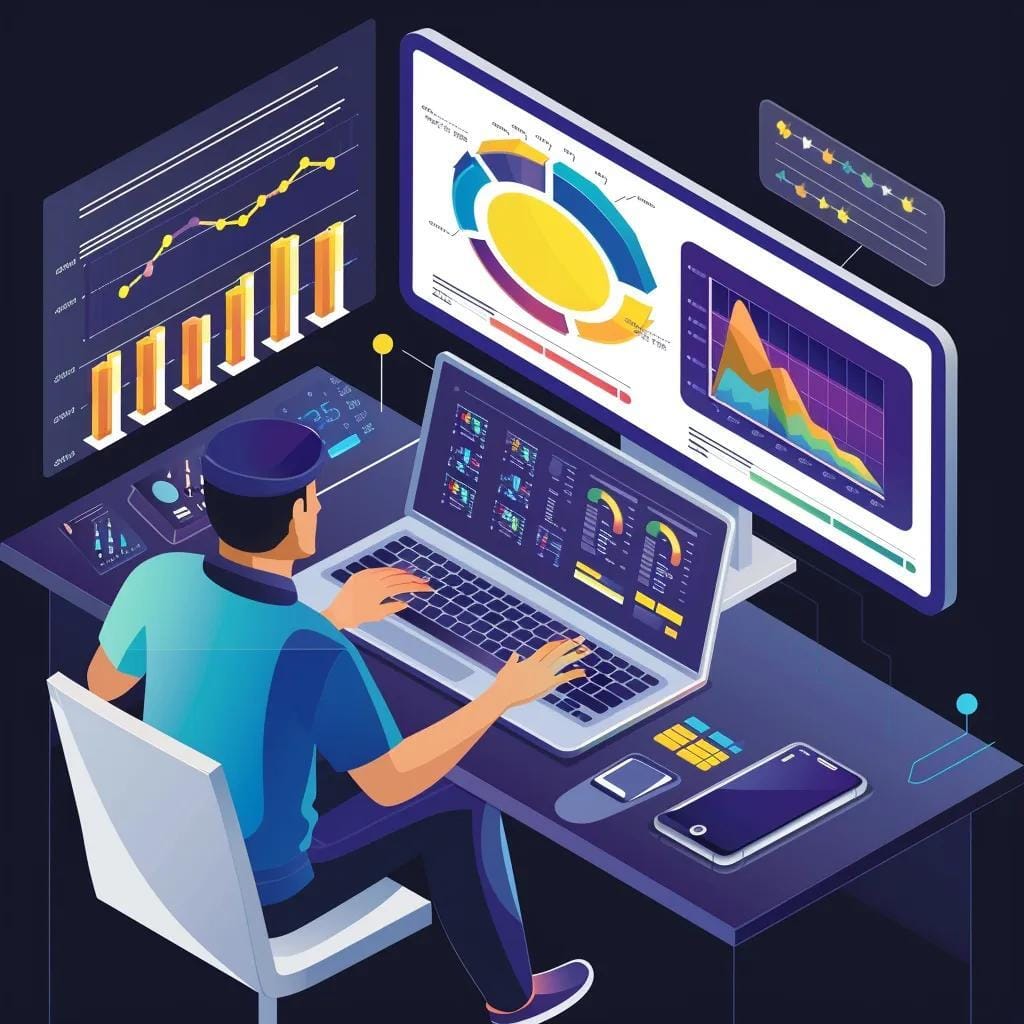
Data analytics shows you what causes turnover, how engaged employees are, and where they need to strengthen. By connecting workforce metrics to business results, HR professionals can create targeted retention programs, predict talent needs, and measure the ROI of learning interventions. This solidifies their role as strategic partners.
What are the top ten skills that HR professionals need to have by 2025?
To combat disruption, HR professionals need to develop a mix of technical, strategic, and people skills. The table below shows the first five skills, along with their main ability and how they affect business:
| Skill | Core Capability | Business Outcome |
|---|---|---|
| Data Analytics | Interpreting workforce metrics | Enables proactive talent planning |
| AI Literacy | Operating intelligent automation | Streamlines recruitment and onboarding |
| Strategic Workforce Planning | Forecasting future talent requirements | Aligns workforce to strategic objectives |
| Employee Experience Design | Crafting engaging employee journeys | Boosts retention and productivity |
| Change Management | Leading organizational transitions | Minimizes resistance and accelerates adoption |
For instance, predictive analytics for employee retention directly correlates with employee use of digital tools. Next, consider the other five skills:
- Diversity and inclusion—making sure that fairness is built into policies and culture to encourage new ideas.
- Emotional intelligence means being able to read and respond to what employees need with empathy.
- Adaptability and resilience refer to the ability to adjust plans in the face of uncertainty and rapid changes.
- HR Technology Acumen: Choosing and using new platforms for managing talent.
- Ethical AI considerations involve ensuring that automated decisions are equitable and transparent and safeguard individuals’ privacy.
These ten skills make up a full competency framework that makes HR a driver of growth and flexibility in the workplace.
Why is it important for HR professionals to know how to use data analytics?
HR professionals can turn raw workforce data into actionable plans with the help of data analytics. HR teams can use predictive models with turnover rates and performance indicators to avoid talent shortages and improve engagement programs. Such efforts will have a direct effect on how well the business does.
Why Data Analytics is Important in HR
Data analytics helps HR professionals turn raw workforce data into useful plans, like predicting how many employees will leave and making engagement programs more effective. This data-driven method helps HR teams make positive choices, which has a direct impact on how well a business does.
CIPD, People Analytics (2023)
This quote supports the article’s claim that HR professionals need to know how to analyze data to make beneficial choices.
How does knowing about AI help HR do its job better?
HR professionals who know how to use AI can set up machine-learning tools that automatically screen resumes, identify employees with a lot of potential, and make personalized learning suggestions. Learning how to use algorithms accelerates the process of making decisions, removes bias, and makes hiring more open to everyone.
What makes strategic workforce planning so important for HR in the future?
Strategic workforce planning makes sure that companies have the right skills at the right time by combining business forecasts with analyses of the talent supply. This skill helps the company grow over time by ensuring training budgets match future needs and the company hires the right number of people.
Business results and strategic workforce planning
Strategic workforce planning is important for making sure that the right people are in the right jobs, saving money, and helping the business grow over time. HR can help the company do well by making smart decisions based on what they think the company’s future talent needs will be and how workforce metrics relate to business results.
Society for Human Resource Management (SHRM), Workforce Planning (2024)
This quote backs up the article’s claim that HR professionals should know how to plan their workforce strategically.
How can HR use design to make the workplace better for workers?
JoJourney mapping and feedback loops are two examples of human-centered methods that employee experience designers use to simplify onboarding, career paths, and wellness programs. Personalised experiences make people happier, more loyal, and more productive, which can be measured.
What makes managing change a crucial skill for HR professionals?
Change management in HR involves guiding individuals through changes by communicating your vision, providing training to stakeholders, and monitoring adoption metrics. Effective change leaders make people less resistant, speed up the return on investment for new technologies, and keep cultural changes going.
What role do diversity and inclusion play in today’s HR practices?
Diversity and inclusion (D&I) means looking at how people are hired, teaching leaders about unconscious bias, and making rules that everyone can follow. D&I boosts creativity, makes it easier to solve problems, and makes the employer brand stronger in competitive talent markets.
Why is emotional intelligence important for HR jobs?

Emotional intelligence (EI) helps HR professionals resolve conflicts, provide advice to managers, and help employees stay healthy. High emotional intelligence (EI) builds trust, keeps people from leaving by showing empathy as a leader, and makes it easier for individuals to work together across departments.
How do being flexible and strong help HR professionals?
Adaptability and resilience help HR practitioners respond to sudden shifts—such as remote work mandates or reorganization—by pivoting strategies, maintaining team morale, and preserving service continuity under pressure.
Why is HR technology acumen necessary for future success?
HR technology acumen involves assessing a platform—from applicant tracking systems to learning management tools – in addition to connecting it with existing ecosystems. Skilled evaluators ensure seamless data flows, user adoption, and measurable efficiency improvements.
What ethical issues do HR professionals have relating to AI?
Ethical AI requires the HR professional to validate sources of data, reduce bias in algorithms, and protect the privacy of employees. Transparency of automated decisions inspires trust and secures compliance with changing regulations.
How Can HR Professionals Develop and Enhance These Future-Ready Skills?
HR teams achieve continuous growth by adopting structured learning and mindset practices. Effective strategies include:
- Micro-learning and workshops—deliver targeted modules on analytics, AI, and change management.
- Cross-Functional Projects—Partner with IT, finance, and operations to apply new skills in real scenarios.
- Mentorship Circles—Establish peer coaching for leadership, EI, and D&I best practices.
Building on formal education, certifications like SHRM-CP, SHRM-SCP, and HRCI’s PHR and SPHR validate expertise and signal commitment to evolving standards. Cultivating a growth mindset through reflective journaling and regular feedback ensures HR professionals embrace experimentation and continuous improvement.
What Are the Emerging Trends that Will Impact HR Skills in 2025?
Four major trends are reshaping HR skill requirements:
- Future of Work Models – Hybrid and gig workforce structures demand flexible policies and digital collaboration skills.
- Talent Forecasting—Advanced predictive tools integrate economic indicators to anticipate skill shortages.
- Employee Experience Platforms—AI-driven engagement apps collect sentiment data for real-time intervention.
- Ethical Governance—Data privacy and AI ethics become board-level priorities, requiring HR oversight.
These trends reinforce the need for strategic planning, technology fluency, and ethical leadership to maintain a competitive edge in talent management.
How Do Data Analytics and AI Interact to Transform HR Practices?
Combining analytics and AI creates a feedback loop where data insights inform automation, and AI-driven actions generate new data for analysis.
In What Ways Does Data Analytics Enable Strategic Workforce Planning?
Data analytics aggregates historical hiring, performance, and engagement metrics to forecast headcount requirements. By modelling growth scenarios, HR teams align their recruitment pipelines with anticipated business expansions.
How Does AI Automation Complement HR Data-Driven Insights?
AI bots execute routine tasks—like interview scheduling and benefit enrollments—while analytics dashboards track completion rates and flag exceptions. This partnership amplifies efficiency and ensures decision-makers focus on high-impact initiatives.
What Are the Best Practices for Implementing Change Management in HR?
Effective change management in HR hinges on clear vision, stakeholder engagement, and measured reinforcement.
How Can HR Lead Organisational Change Effectively?
HR leads change by defining objectives, securing executive sponsorship, and communicating benefits through multi-channel campaigns. Training supervisors as change champions fosters peer-to-peer advocacy and accelerates adoption.
What Techniques Help Manage Employee Resistance During Change?
Techniques such as listening sessions, transparent feedback loops, and quick-win pilots address concerns early. By celebrating small successes and sharing progress metrics, HR builds momentum and trust in the transformation journey.
How Can HR Professionals Foster Diversity, Inclusion, and Emotional Intelligence?
Integrating interpersonal skills with policy frameworks creates a resilient, innovative culture.
Why Are Diversity and Inclusion Essential for Future HR Success?
Diversity and inclusion bring varied perspectives that fuel creativity, improve decision-making, and strengthen an organization’s reputation. Inclusive teams outperform homogenous groups by tapping into a broader talent pool and fostering psychological safety.
How Does Emotional Intelligence Improve HR Leadership and Employee Relations?
Emotional intelligence allows HR leaders to interpret team dynamics, resolve conflicts, and tailor support to individual needs. Empathetic communication enhances trust and loyalty, driving lower turnover and higher engagement.
What Role Does Adaptability Play in Preparing HR for Future Challenges?
HR adaptability ensures readiness for continuous disruption by embedding agile practices and resilient mindsets.
How Can HR Professionals Build Resilience in a Rapidly Changing Environment?
Building resilience involves scenario planning, stress-management workshops, and creating flexible policies. Encouraging a culture of experimentation and learning from failure helps HR teams iterate quickly when priorities shift.
What Are Examples of HR Adaptability in Practice?
Organizations demonstrate HR adaptability by swiftly redesigning performance reviews for remote teams or launching digital wellness platforms during crises. These initiatives maintain continuity and signal responsiveness to evolving employee needs.