

Entering 2025, emerging market economies face weakened growth forecasts compared to previous projections. This shift is largely due to companies across various regions beginning to streamline their workforce in response to declining external demand and rising funding costs. In this article, we’ll break down what “softening growth” signifies in today’s data landscape, explore the reasons behind workforce reductions, and identify the macroeconomic, regional, and sectoral forces at play. You’ll gain a clear overview of the key drivers—such as trade tensions, inflation trends, currency fluctuations, and foreign direct investment slowdowns—followed by an in-depth look at employment trends, policy responses, investment implications, and strategies for sector-level adaptation. We’ll highlight the most pertinent regional insights (BRIC, ASEAN, Sub-Saharan Africa, LATAM), provide structured comparisons and tables for quick reference, and outline the practical risks and opportunities for investors and policymakers as we approach late 2025. By the end of this piece, you’ll be equipped with actionable insights to monitor emerging market growth throughout 2025–2026 and identify key indicators for shifts in employment and capital flows.
What Are the Key Factors Behind the Softening of Emerging Market Growth in Early 2025?
The slowdown in emerging market growth at the start of 2025 can be attributed to a combination of factors: a deceleration in global demand, persistent trade frictions, and a cooling of investment flows, all contributing to weakened GDP growth rates across numerous developing economies. Trade tensions lead to reduced export orders and increased input costs, while historical inflation trends influence central bank policies, and currency volatility raises borrowing costs for businesses. Together, these elements constrain hiring and capital expenditures. To fully grasp the impact, it’s essential to compare regions: some economies continue to report strong domestic demand, while commodity importers are experiencing sharper slowdowns. Understanding these dynamics clarifies the reasons behind workforce reductions and highlights the differences between cyclical and structural risks, which we will explain next through an analysis of trade and monetary channels.
Global trade dynamics serve as a primary driver of this slowdown. Trade tensions diminish export demand and elevate production costs for manufacturers reliant on exports, which subsequently dampens hiring and investment. This trade-induced demand shock disproportionately affects countries with high trade intensity, prompting a reconfiguration of supply chains that leads to short-term disruptions. The table below compares key drivers across regions and their measured impact on growth and trade.
| Country/Region | Growth Driver | Measured Impact |
|---|---|---|
| BRIC (select) | Resilience in domestic demand vs. weakness in exports | Moderate growth, mixed GDP revisions |
| ASEAN’s emerging markets | Diversification in trade, shifts in supply chains | Variable growth affects exporters, while importers remain stable. |
| Sub-Saharan Africa | Fluctuations in commodity prices | Growth volatility linked to export prices |
| LATAM | Uncertainty in policy and currency fluctuations | Downward pressure on investment and employment |
This comparison illustrates that trade intensity and exposure to commodities account for much of the regional variation in softening growth, setting the stage for a detailed examination of trade mechanisms below.
What effect do global trade tensions and tariffs have on developing economies?
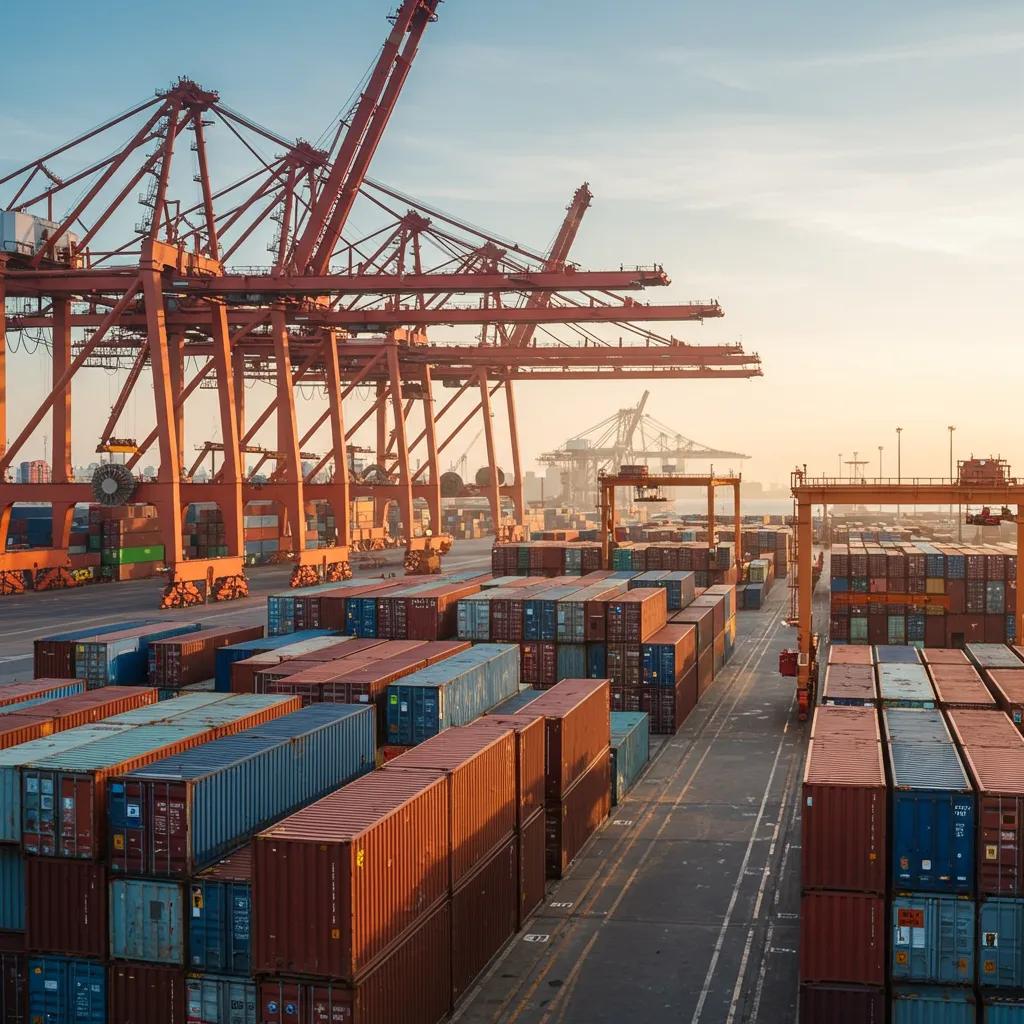
Global trade tensions escalate costs and shift order allocations, directly impacting manufacturing output and employment in export-dependent emerging markets. Tariffs increase input prices for manufacturers, squeezing profit margins and prompting companies to delay hiring or reduce their workforce. Additionally, uncertainty surrounding trade policies leads multinational corporations to postpone investment decisions. Recent PMI signals and trade flow data indicate a slowdown in new export orders and inventory adjustments among many Asian and Latin American exporters. The cumulative effect of these trade shocks results in immediate demand losses and longer-term shifts in supply chain structures, potentially forcing firms to downsize or relocate production.
The impact of these trade dynamics varies by sector and the extent of integration within global value chains. Export-orientated manufacturing typically bears the brunt of initial adjustments, while services linked to trade and tourism experience delayed employment effects. Understanding how trade influences employment sets the stage for our next discussion on inflation, monetary policy, and its interplay with labour markets.
What Role Do Inflation and Monetary Policy Play in Slowing Growth?
Inflation trends and central bank responses create a significant channel that contributes to slowing growth and shapes staffing decisions at the firm level. In regions where disinflation has emerged in 2025, central banks have begun to ease policies, with rate cuts aimed at bolstering credit and demand. However, the lingering effects of previous tightening continue to weigh on investment and hiring. Conversely, countries grappling with high inflation maintain tighter policies, resulting in elevated borrowing costs for businesses and an increased likelihood of layoffs. Currency depreciation in certain emerging markets exacerbates imported inflation risks, compelling firms to adjust wages or employment levels to protect their margins.
The credibility of policy and fiscal constraints dictates how effectively easing measures translate into support for labour markets. In economies with limited policy flexibility, monetary easing may be modest, and fiscal support may be constrained, prolonging job losses; in contrast, coordinated measures in other regions can stabilise employment more quickly. These monetary considerations naturally lead to a closer examination of labour market outcomes, which we will explore in the next major section.
How Are Employment Trends and Workforce Reductions Affecting Emerging Markets in 2025?
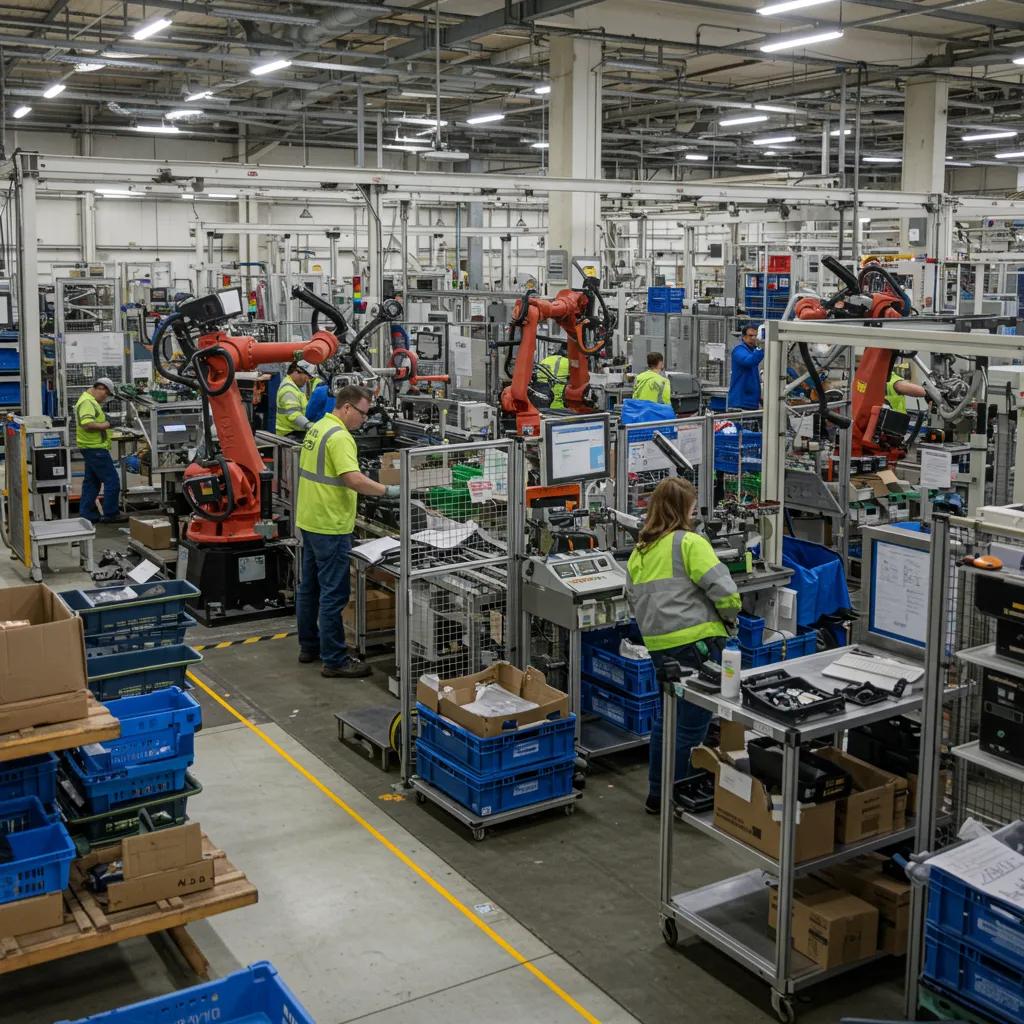
Employment trends in early 2025 reveal a blend of cyclical layoffs and structural shifts, with workforce reductions primarily concentrated in export manufacturing and vulnerable service sectors, while some digitally exported services remain resilient. Companies facing declining orders, tighter liquidity, and increased financing costs are either reducing headcount or halting recruitment, particularly among small and medium-sized enterprises (SMEs) that have limited financial buffers. This situation leads to rising unemployment and underemployment in affected areas, while informal and gig work absorb some displaced workers, complicating policy responses. Analysing sectoral and regional patterns clarifies who is most affected and why, with the following subsections providing detailed sector and regional breakdowns.
The sectors and types of firms that experience the most significant staff reductions depend on demand shocks and the strength of their balance sheets. Manufacturing, particularly in export-facing segments, has seen job cuts where orders have declined and inventories have increased; this trend often hits SMEs hardest due to their limited access to capital markets. In the services sector, tourism and hospitality have faced sharper declines in hiring as international travel and discretionary spending have waned, while digital services and outsourcing have shown resilience with minimal net job loss. The variation across sectors underscores the need for targeted policy remedies and reskilling initiatives focused on areas with concentrated job losses.
This table summarises job impacts and primary causes across key industries.
| Sector | Jobs Lost / % Change | Primary Cause |
|---|---|---|
| Manufacturing | Moderate to high | Trade shocks and demand decline |
| Tourism & Hospitality | High | Decreased travel and discretionary spending |
| Financial & Business Services | Low to moderate | Reduced business investment |
| Digital/exportable services | Low or stable | Ongoing global demand for IT/outsourcing |
The sectoral table highlights that while manufacturing and tourism bear the immediate brunt, digitally delivered services provide a partial offset, indicating that targeted training and support can help transition workers toward more resilient subsectors.
Which Sectors and Firms Are Most Affected by Job Losses?
Manufacturing and export-orientated firms are particularly vulnerable to staff reductions due to immediate order declines and supply chain pressures that strain cash flows. SMEs in these sectors, which usually have lower profit margins, have been quicker to cut jobs than larger multinationals that can use their financial buffers. Similarly, hospitality and tourism-related businesses are susceptible to cyclical demand fluctuations, while sectors like fintech, outsourcing, and certain health services have demonstrated hiring resilience or smaller contractions. This differential impact suggests that policy and corporate responses should prioritise liquidity support and retraining for workers in the affected sectors.
The size and leverage of firms play a crucial role: highly leveraged companies tend to cut investment and headcount sooner, while those with less leverage can weather temporary shocks more effectively. These dynamics create a clear transition to the regional differences we will explore next, as policy space and sector composition shape outcomes across different geographies.
What Regional Variations Exist in Emerging Market Employment Trends?
Regional employment patterns diverge due to variations in policy space, export composition, and the strength of domestic demand. For instance, some BRIC economies exhibit relative resilience where domestic consumption remains robust, while certain areas of LATAM and sub-Saharan Africa are experiencing heightened labour market stress linked to commodity prices and external financing constraints. ASEAN economies present a mixed landscape: export hubs focused on electronics are under employment pressure, while diversified economies with strong domestic service markets are faring better. These regional disparities suggest that a uniform policy approach is insufficient; instead, customised interventions are crucial.
Policy buffers, such as social safety nets and accessible credit lines for SMEs, can mitigate the severity of job losses and influence the pace of recovery. Regions with more developed financial markets can support firms through credit, reducing layoffs, while those lacking such buffers may see quicker increases in unemployment. Understanding these differences naturally directs us to the next section, which discusses the policy responses emerging markets are implementing to combat the slowdown.
What Policy Responses Are Emerging Markets Implementing to Address Economic Slowdown?

In 2025, policymakers in emerging markets are adopting a blend of monetary easing where inflation allows and targeted fiscal measures designed to protect jobs and support SMEs. Observing disinflation, central banks have initiated modest rate cuts or liquidity injections to stimulate lending, while governments with available fiscal space are deploying payroll support, tax deferrals, and targeted credit lines to stabilise employment. Constraints such as high public debt and credibility concerns limit the scope of interventions in some countries, necessitating a focus on efficient, targeted measures. This policy mix aims to restore demand and maintain firm solvency, which can help mitigate further staff reductions and support cyclical recovery.
- Monetary easing and liquidity support: Central banks are lowering rates or providing liquidity to reduce borrowing costs for businesses.
- Payroll subsidies and wage support: Governments are temporarily subsidising wages to avert immediate layoffs.
- Targeted SME credit lines and loan guarantees: Authorities are offering subsidised credit to help small firms stay afloat.
- Tax deferrals and temporary relief: Short-term tax measures are designed to enhance firm cash flow and delay insolvency risks.
These measures vary in scale and design, and their effectiveness hinges on timely implementation and precise targeting. The following subsections will go over central bank tools and fiscal measures to illustrate how they function and the limitations they face.
How Are Central Banks Using Monetary Easing to Support Growth?
Central banks in several emerging markets experiencing lower inflation have shifted towards modest easing to promote lending and investment, utilising rate cuts and liquidity facilities to stimulate the money supply. The goal of easing is to lower corporate borrowing costs, enhance cash flow for SMEs, and decrease the likelihood of fire sales and mass layoffs. However, the effects of these measures are not consistent: problems like weak banking support, bad loans, and currency risks can reduce how much lower policy rates actually help the economy. Central banks must balance these considerations with the risk of capital outflows and currency depreciation that could reintroduce imported inflation pressures.
Liquidity tools—such as short-term funding windows and targeted refinancing—support bank lending to priority sectors but may require careful oversight to avoid moral hazard. The limitations of monetary easing highlight the necessity for complementary fiscal actions, which we will examine next.
What fiscal steps are governments taking to stop companies from laying off workers?
Fiscal responses focus on targeted, time-sensitive measures that bolster incomes and firm solvency while ensuring fiscal sustainability. Common actions include payroll subsidies to retain employees, temporary unemployment benefits to support household consumption, and credit guarantee schemes to keep SMEs viable. These measures directly reduce the need for layoffs and sustain demand, but constraints like limited fiscal space and existing debt burdens compel governments to prioritise interventions with the greatest short-term impact. Effective targeting and swift deployment are crucial in determining whether fiscal measures alleviate job losses or merely postpone structural adjustments.
Design choices are critical: well-targeted support for firms with viable long-term prospects can prevent unnecessary bankruptcies, while broader but less focused transfers may prove less efficient. This fiscal analysis leads us to consider the implications for investors, which we will review in the next major section.
What Are the Investment Opportunities and Risks in Emerging Markets Amid the 2025 Slowdown?
Investors evaluating opportunities in emerging markets in 2025 must balance regions and sectors with structural growth potential against macroeconomic and policy risks that could introduce volatility. Opportunities abound in countries demonstrating reform momentum, strong domestic demand, resilient service exports, and attractive valuations following market adjustments. Asset classes such as select equities, local-currency debt in stable economies, and differentiated foreign direct investment targets can yield appealing returns for investors willing to embrace elevated idiosyncratic risk. Conversely, risks include currency volatility, policy unpredictability, commodity exposure, and corporate leverage that could amplify losses during sudden market shifts.
Below is a concise comparison of region-/asset-class opportunities and primary risks to assist investors in prioritising their allocations.
| Region/Asset Class | Opportunity | Key Risk |
|---|---|---|
| India / Equities | Structural growth and robust domestic demand | Policy shifts and inflation surprises |
| ASEAN / Manufacturing exports | Benefits from nearshoring and supply-chain advantages | Trade disruptions and cyclical order fluctuations |
| LATAM/Select Equities | Recovery in exports and potential for reform | Commodity price volatility and currency risk |
| Local-currency bonds (select) | Higher yields compared to developed markets | Currency depreciation and liquidity challenges |
This table serves as a compact guide to balancing opportunities and risks across regions and asset classes, aiding in informed tactical and strategic allocation decisions.
Which Emerging Market Regions Offer Growth Potential Despite Challenges?
Some regions maintain strong structural drivers that can sustain growth even amid a cyclical slowdown. India continues to demonstrate resilient domestic consumption and ongoing reforms that attract foreign direct investment, positioning it as a prime candidate for growth-focused equity allocations. Some ASEAN countries with varied trade relationships gain advantages from companies moving their supply chains and diversifying exports, creating opportunities in electronics and manufacturing. Meanwhile, certain LATAM countries with credible macroeconomic frameworks can provide value once commodity cycles stabilise. Investors should prioritise fundamentals—growth drivers, governance, and external buffers—when selecting regional exposures.
Evaluating these regions necessitates pairing macro fundamentals with firm-level analysis to identify companies capable of translating macro resilience into earnings growth. This perspective naturally leads us to the risk checklist that investors should consider.
What Risks Should Investors Consider in the Current Economic Climate?
Prioritising When allocating to emerging markets in 2025, investors should closely monitor a concise checklist of major risks, which include sharp currency fluctuations, policy unpredictability, commodity price shocks, corporate debt vulnerabilities, and sudden reversals in capital flows. Currency volatility can erode investment returns and heighten local-currency debt stress, while policy changes can swiftly alter market sentiment, impacting asset prices. Corporate leverage and weak balance sheets increase the likelihood of restructurings that could impair equity and credit positions. Mitigation strategies include hedging currency exposures, diversifying across regions and sectors, and prioritising firms with strong balance sheets.
- Hedge significant currency exposure: Utilise available instruments to limit losses driven by currency fluctuations.
- Diversify across regions and sectors: spread both idiosyncratic and macro risks.
- Prioritise balance sheet strength: Favour firms with low leverage and robust cash flow.
These steps create a practical strategy for addressing opportunities and risks, which leads us to examine how industries are operationally adapting to the economic slowdown.
How Are Specific Emerging Market Industries Adapting to softer Growth and Employment Changes?
Industries across emerging markets are responding with a blend of cost management, structural reorientation, and technology adoption to navigate weaker growth and labour market adjustments. Manufacturing is pivoting towards nearshoring, supplier diversification, and selective automation, where labour cost trade-offs justify capital investment, while services are accelerating digital delivery and remote outsourcing to sustain export revenues. Companies that use technology to boost productivity may have to lay off workers in the short term, but they will be better able to compete in global markets in the long run. This industry-level adaptation carries significant employment implications and indicates which skills will be in demand moving forward.
How Is the Manufacturing Sector Responding to Staff Shedding and Trade Disruptions?
Manufacturing firms are adapting by diversifying suppliers, implementing nearshoring strategies, and selectively automating processes to mitigate exposure to trade shocks and bolster resilience. Nearshoring shortens supply chains and can help preserve some local jobs by relocating stages of production, while automation reduces reliance on labour for repetitive tasks and enhances long-term productivity. In the short term, these adjustments may lead to layoffs and restructuring costs, but over time, they can reposition manufacturing for higher-value production. The balance between immediate job losses and long-term competitiveness hinges on policy support for re-skilling and investment incentives.
These structural adjustments in manufacturing create varying workforce demands and underscore the necessity for targeted labour market policies to facilitate transitions.
What Trends Are Emerging in the Services Sector: Employment and Growth?
The services sector exhibits a diverse response: digital and exportable services (IT, outsourcing, fintech) continue to expand employment in many emerging markets, while in-person services like tourism and hospitality face cyclical contractions. The gig economy and informal employment absorb some displaced workers, complicating official employment metrics and social protection delivery. Remote work and digital platforms are accelerating demand for specialised skills, increasing the premium on tech and language competencies. Policymakers and firms must therefore prioritise training and digital infrastructure to transition displaced workers to roles within resilient service subsectors.
The shifts across sectors suggest areas where labour policy and private investment should focus to facilitate reallocation and sustain employment growth, setting the stage for longer-term scenarios in the coming year.
Why Is 2025 a Critical Year for Emerging Markets’ Economic Outlook?
2025 marks a pivotal policy inflection point, where disinflation in many regions allows for easing, global demand uncertainty lingers, and supply chain reconfigurations accelerate—making it a crucial year for recalibrating growth forecasts and investment strategies. The interplay of cyclical easing and structural shifts (nearshoring, automation, digitalisation) will determine whether 2025 signifies a shallow slowdown with recovery in 2026 or the onset of a more prolonged phase of weak growth and labour market challenges. Scenario analysis that considers commodity trajectories, trade policy, and capital flow dynamics is essential for forecasting through 2026. In the following subsections, we summarise baseline and scenario forecasts and discuss the medium-term forces shaping the landscape.
What do the predictions say about how fast emerging markets will grow through 2026?
Consensus baseline forecasts for emerging market growth in 2025–2026 cluster around moderate expansion, with downside scenarios driven by renewed global trade shocks or commodity collapses and upside scenarios linked to stronger-than-expected investment and policy stimulus. Basic scenario estimates may indicate baseline EM growth near mid-single digits, with optimistic cases potentially boosting growth by a percentage point or more, while pessimistic cases could subtract a similar margin. Key assumptions include stable commodity prices, gradual recovery in global demand, and orderly policy easing in countries experiencing disinflation. Monitoring these assumptions is crucial to determining whether employment recovery will follow or lag behind GDP stabilisation.
These forecast ranges highlight the conditional nature of recovery paths and the importance of tracking leading indicators that can signal a shift in economic regimes.
How Will Ongoing Global Economic Factors Shape Emerging Markets Beyond 2025?
Beyond 2025, trade policy, technological advancements, capital flows, and climate-related risks will continue to influence the trajectories of emerging markets and their employment structures. Persistent trade fragmentation could lock in lower cross-border investments for certain economies, while accelerated technology adoption may reshape labour demand and productivity patterns across sectors. Climate and energy transitions will differentially impact commodity exporters and importers, altering comparative advantages and investment needs. These medium-term drivers suggest that countries and firms investing in adaptability—such as human capital, diversified exports, and resilient supply chains—will be better positioned in the next economic cycle.
By understanding these trends, policymakers and investors can create strategies and investments that take advantage of potential benefits while reducing risks in the changing global situation.
For anyone wanting regular updates and detailed studies on different countries, Logical Content offers a special section for emerging markets that gathers data-based insights, highlights specific sectors, and tracks policies. Logical Content serves as an information hub delivering credible, up-to-date analysis across business, politics, and the economy, helping practitioners monitor the indicators and scenarios discussed here. This brief editorial reference complements the analysis above without replacing country-source data or formal institutional forecasts.
- Key indicators to watch: PMI new export orders, capital flows, inflation, and currency volatility.
- Policy levers to prioritise: targeted fiscal support, liquidity for SMEs, and retraining initiatives.
- Investment primer: focus on fundamentals, diversify, and hedge significant currency exposures.
These concluding action points connect the analytical framework of this article with practical monitoring items for the months ahead, wrapping up the topic coverage for 2025–2026.
Frequently Asked Questions
What are the long-term effects of staff cuts in developing countries?
Staff reductions in emerging markets can lead to enduring economic challenges, including rising unemployment rates and diminished consumer spending. As companies downsize, the immediate effect is a contraction in household incomes, which can stifle overall economic growth. Furthermore, the loss of skilled workers may impede productivity and innovation, complicating recovery efforts. Policymakers must tackle these issues through targeted retraining programs and support for displaced workers to mitigate their adverse effects on the labour market and economy.
How do global economic trends influence local employment in emerging markets?
Global economic trends, such as trade tensions and inflation, significantly impact local employment in emerging markets. For example, when global demand weakens, export-orientated industries may experience reduced orders, leading to layoffs. Similarly, inflation can escalate operational costs, prompting firms to cut jobs to maintain profitability. These external factors create a ripple effect, influencing local economies and employment levels. Understanding these dynamics is vital for policymakers to implement effective strategies that support job retention and economic stability amid global challenges.
What strategies can firms adopt to navigate economic slowdowns?
Firms can implement several strategies to navigate economic slowdowns, including diversifying their supply chains, investing in automation, and enhancing digital capabilities. By diversifying suppliers, companies can reduce dependency on specific markets and mitigate risks associated with trade disruptions. Automation can improve efficiency and lower labour costs, whereas digital transformation can create new revenue streams. Additionally, firms should focus on maintaining strong cash reserves and exploring alternative financing options to weather economic uncertainties and position themselves for recovery when conditions improve.
What role does foreign direct investment (FDI) play in emerging markets during downturns?
Foreign direct investment (FDI) is crucial for emerging markets, particularly during economic downturns. FDI can provide essential capital, create jobs, and stimulate economic growth. However, during uncertain times, FDI may decline as investors become more cautious. This reduction can exacerbate economic challenges, leading to slower recovery. To attract FDI, emerging markets must enhance their investment climates by ensuring political stability, improving infrastructure, and offering incentives for foreign investors. These measures can help sustain growth and employment even in challenging times.
How can policymakers support employment during economic downturns?
Policymakers can boost employment during economic downturns through targeted fiscal measures, such as payroll subsidies, tax relief, and investments in retraining programs. Payroll subsidies can assist firms in retaining employees, while tax relief can enhance cash flow and encourage hiring. Additionally, investing in retraining programs equips displaced workers with new skills, facilitating their transition to growing sectors. By implementing these strategies, governments can mitigate the impacts of economic slowdowns on employment and foster a more resilient labour market.
What are the potential risks for investors in emerging markets amid economic uncertainty?
Investors in emerging markets face several potential risks amid economic uncertainty, including currency volatility, political instability, and fluctuating commodity prices. Currency fluctuations can erode investment returns, while political instability may lead to abrupt changes in regulations or policies affecting business operations. Additionally, reliance on commodity exports can expose economies to price swings, impacting overall economic stability. To navigate these risks, investors should diversify their portfolios, conduct thorough market analyses, and consider hedging strategies to protect their investments.
Conclusion
Grasping the dynamics of emerging market growth in 2025 is essential for both investors and policymakers, as it underscores the interplay between global demand, trade tensions, and employment trends. By combining important information about how different sectors and regions are affected, stakeholders can better understand and manage the challenges of this economic environment. To stay informed and make strategic decisions, consider exploring our comprehensive resources on emerging market analysis. Engage with our expert insights today to refine your investment strategies and policy responses.