
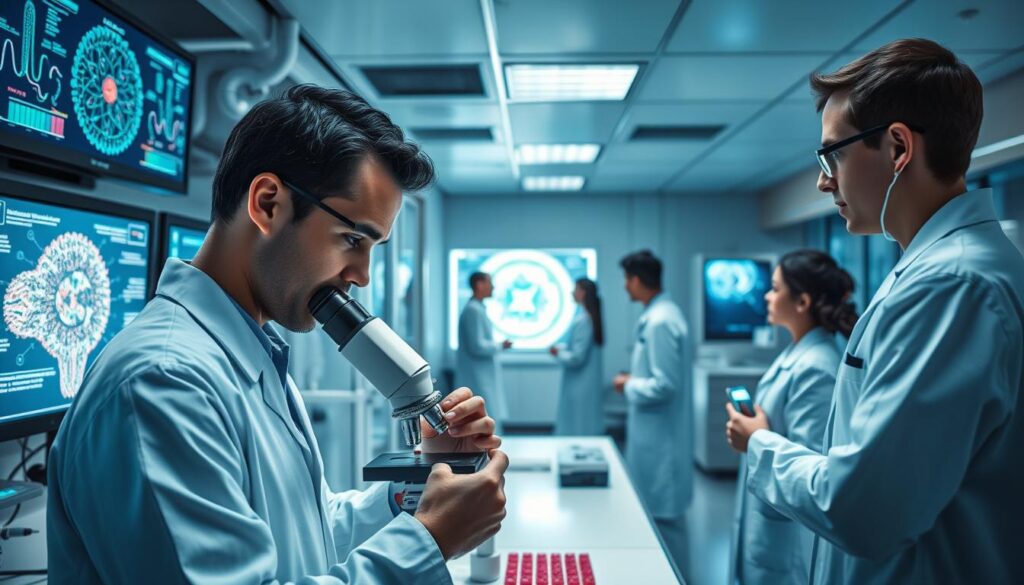
Nearly half of all Americans will get a cancer diagnosis at some point. The way we handle cancer care is changing drastically. We’re seeing big steps in precision oncology, better early detection, and care that focuses on the patient. These changes are making cancer treatment much more personalized. By using these new methods, we can fight cancer better, especially in younger people.
The move to personalized treatment plans is key. It stresses the importance of finding cancer early and working closely with patients. This way, we can fight cancer more successfully than ever.
Key Takeaways
- Almost 50% of Americans face a cancer diagnosis in their lifetime.
- Precision oncology focuses on tailored treatments based on individual genetic profiles.
- Early detection significantly increases survival rates and treatment options.
- Patient-centric models prioritise individual needs and preferences.
- Innovative approaches are crucial to addressing the rising incidence of cancer.
Understanding Precision Oncology
In the world of treating cancer, precision oncology is a big step forward. It uses genetic details and molecular indicators to make custom treatments. This method lets us create medicines that match the specific features of a patient’s cancer. It makes treatments more effective and reduces bad side effects.
Tools like next-generation sequencing are key in precision oncology. They let us look into the genes of cancers, leading to smarter ways to fight them. With personalised medicine, doctors can find the best targeted treatments. This means better results for patients.
Precision oncology shows us how knowing cancer’s complex biology can help pick the best treatments. This insight makes treatments better. It greatly improves care for people fighting cancer.
The Importance of Early Detection in Cancer Care
Finding cancer early is key to beating it. Studies show that finding cancer early often means a better chance of survival. This makes it vital for us to use and follow good cancer screening methods for early detection.
Newer screening guidelines now suggest starting younger for some cancers. This shows there’s a big need to act early in finding cancer diagnosis. By following these updated guidelines, we’re better able to catch cancer early. This improves the chance of successful treatment.
Technology is also changing how we find cancer early. With new tools and tech, doctors can spot cancer more quickly and accurately. This means better chances of survival for patients. By focusing on early detection, we’re helping not just individuals but everyone’s health.
Patient-Centric Models: Redefining Cancer Treatment
Patient-centric models are changing how we deal with cancer treatment today. They focus on the specific likes, values, and needs of each person. Because of this, the way we create treatment plans is changing, making patient experiences better and health results more successful.
Organisations are now using new ways to make health care all about patients. They use the latest tech and work closely with local doctors. This way, even more people can get the care that fits them best.
Here are the main benefits of putting patients first:
- People stick to their treatment plans better
- They are happier with their care
- Doctors understand what patients truly need
Oncology Innovations Shaping the Future
The oncology field is rapidly changing, thanks to major innovations. These advancements are reshaping cancer care, introducing new treatments and methods. Key developments like biosimilars and immune therapies are adding to our cancer-fighting tools. They bring new treatment options and allow care to be more tailored to each patient.
Another major shift is the use of data analytics and artificial intelligence. These tools change how we handle cancer treatment and patient care. By analyzing lots of data, we spot patterns that lead to better treatments and outcomes. The promise for future research is big, offering the chance to revolutionize cancer care.
Targeted Cancer Therapies: A Personalized Approach
Targeted cancer therapies have changed how we fight cancer. They focus on the unique aspects of each patient’s cancer. By using genomic testing, we uncover special markers in the cancer. This approach helps choose the right treatment for each person.
These therapies offer more than better treatment. They are personalized, cutting down the risk of side effects. Every treatment plan mirrors the patient’s own biology. This procedure aims to improve care and lessen discomfort.
Overall, targeted cancer therapies are reshaping cancer treatment. We’re learning more about molecular markers. This helps us treat cancer more personally, making sure each patient gets the best care.
Cancer Screening: Breaking Traditions for Better Outcomes
Our fight against cancer is changing due to the need for modern screening methods. Traditional ways are not as effective at finding people at risk. Using new tools for screening helps us spot cancer early. This means we can treat patients sooner, leading to better health results.
Now, we advise people to get screened at the right age. This shows we’re taking steps to prevent cancer before it’s too late. For example, people are starting to get checked for colon cancer earlier. These new methods help us catch cancer sooner and avoid tests we don’t need.
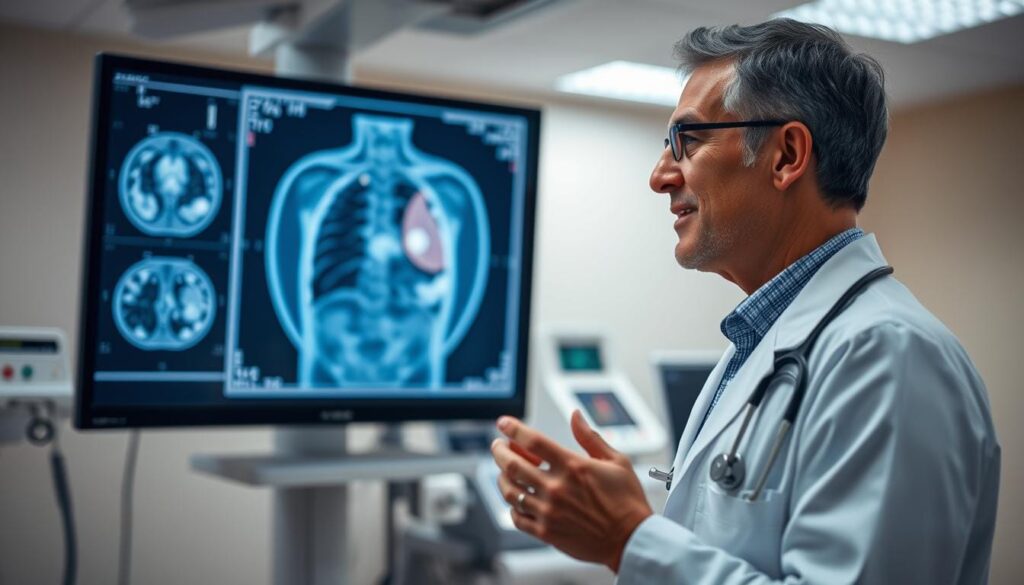
Oncology innovations are shaping the future.
The oncology field is rapidly changing, thanks to major innovations. These advancements are reshaping cancer care, introducing new treatments and methods. Key developments like biosimilars and immune therapies are adding to our cancer-fighting tools. These advancements introduce novel treatment options and enhance the customisation of care for each patient.
Another major shift is the use of data analytics and artificial intelligence. These tools change how we handle cancer treatment and patient care. By analysing a lot of data, we spot patterns that lead to better treatments and outcomes. The promise for future research is big, offering the chance to revolutionize cancer care.
Targeted Cancer Therapies: A Personalized Approach
Targeted cancer therapies have changed how we fight cancer. They focus on the unique aspects of each patient’s cancer. By using genomic testing, we uncover special markers in the cancer. This approach helps choose the right treatment for each person.
These therapies offer more than better treatment. They are customised, cutting down on the risk of side effects. Every treatment plan mirrors the patient’s own biology. This procedure aims to improve care and lessen discomfort.
Overall, targeted cancer therapies are reshaping cancer treatment. We’re learning more about molecular markers. This helps us treat cancer more personally, making sure each patient gets the best care.
Cancer Screening: Breaking Traditions for Better Outcomes
Our fight against cancer is changing due to the need for modern screening methods. Traditional ways are not as effective at finding people at risk. Using new tools for screening helps us spot cancer early. This means we can treat patients sooner, leading to better health results.
Now, we advise people to get screened at the right age. This shows we’re taking steps to prevent cancer before it’s too late. For example, people are starting to get checked for colon cancer earlier. These new methods help us catch cancer sooner and avoid tests we don’t need.
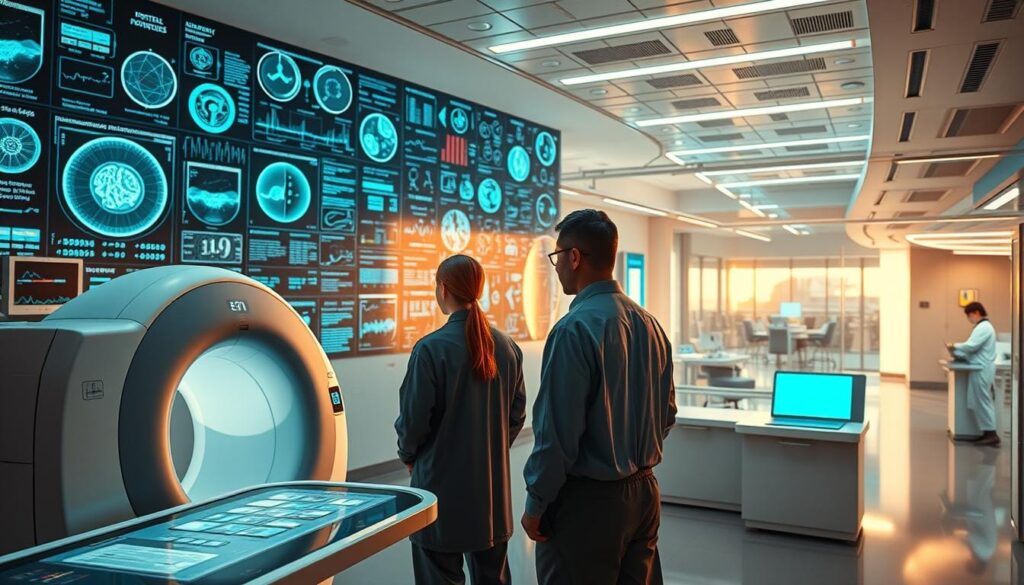
Key Cancer Treatment Breakthroughs recently
Recent years have significantly transformed the landscape of cancer care. They bring amazing breakthroughs that really help patients. As we look at these new treatments, we see a big commitment to making lives better.
CAR T-cell therapy is a big step forward, especially for blood cancers. It uses the body’s immune system to fight cancer more effectively. We also see the vital role of checkpoint inhibitors. They help the immune system to attack cancer cells. These methods are opening new doors in our fight against cancer.
We also have new drug formulas helping patients who need different options. These advancements demonstrate teamwork in cancer research. They focus on personalising treatments to help patients recover and have a better life.
This constant updating of cancer treatments and researching new techniques is key. It helps us understand and handle cancer better. It also lays the groundwork for even more breakthroughs in the future.
The Role of Big Data in Cancer Research Advancements
Big data is revolutionising the field of cancer research. It lets researchers analyse huge amounts of patient information. This leads to breakthroughs in understanding how to fight cancer. By using complex algorithms and learning from data, we find clues that were once invisible.
We gather all sorts of info, like genes, past treatments, and where patients come from. This helps create treatments just for them. This not only makes treatments better but also brings researchers and doctors closer. Thanks to big data, our fight against cancer gets stronger every day.
Conclusion
In our journey towards better cancer care, focusing on precision, early detection, and putting patients first is crucial. These are not just new ideas. They are key to changing how we treat cancer. With these strategies, we aim to provide treatments that meet each patient’s unique needs.
Advancements in technology and research are key. They help doctors offer treatments that improve patient outcomes and chances of survival. By using new methods and staying committed to progress, we’re working towards a future where living with cancer means a better quality of life.
As we look forward to making great strides in cancer care, our resolve to blend technology with compassion stands firm. Together, we are on the path to creating a future where cancer is a journey we can tackle with hope and support.
FAQ
What is precision oncology and how does it differ from traditional cancer treatment?
Precision oncology designs treatments based on a patient’s tumour traits. It uses genetic info and markers. This method makes care personal, enhancing effectiveness while cutting back on side effects.
Why is early detection crucial in cancer care?
Early detection boosts the chance of beating cancer. Studies indicate that early-stage cancers often have better outcomes. By detecting cancer early, survival rates increase, stressing the need for quick diagnosis.
How do patient-centric models impact treatment outcomes?
Patient-centric models value what patients think and need, leading to custom treatment plans. They boost how patients view their care and lead to better health outcomes.
What innovations are currently shaping the oncology field?
New treatments like biosimilars and immune therapies are changing oncology. They offer more treatment paths and use data to tailor care for each patient.
What are targeted cancer therapies?
Targeted therapies attack unique markers in a patient’s cancer. Doctors use tests to choose treatments that work well and have fewer adverse effects.
How is cancer screening evolving?
Screening for cancer is getting better with new tech, enhancing accuracy. Changing guidelines, like lower screening ages for some cancers, show a move toward early detection.
What role does genomic medicine play in cancer treatment?
Genomic medicine offers custom care based on genes. It tells us about cancer behavior and treatment response, leading to more effective strategies.
How does artificial intelligence enhance oncology?
AI helps doctors spot patterns by analysing big data. This supports better decision-making and care management, leading to improved outcomes for patients.
What are some recent breakthroughs in cancer treatment?
Recent gains include CAR T-cell therapy and checkpoint inhibitors. These advancements, along with new drugs, push forward cancer care.
How does big data contribute to advancements in cancer research?
Big data brings together vast patient info, aiding trend spotting and treatment improvement. It supports personalised care, advancing how we tackle cancer.